Stroke Treatment
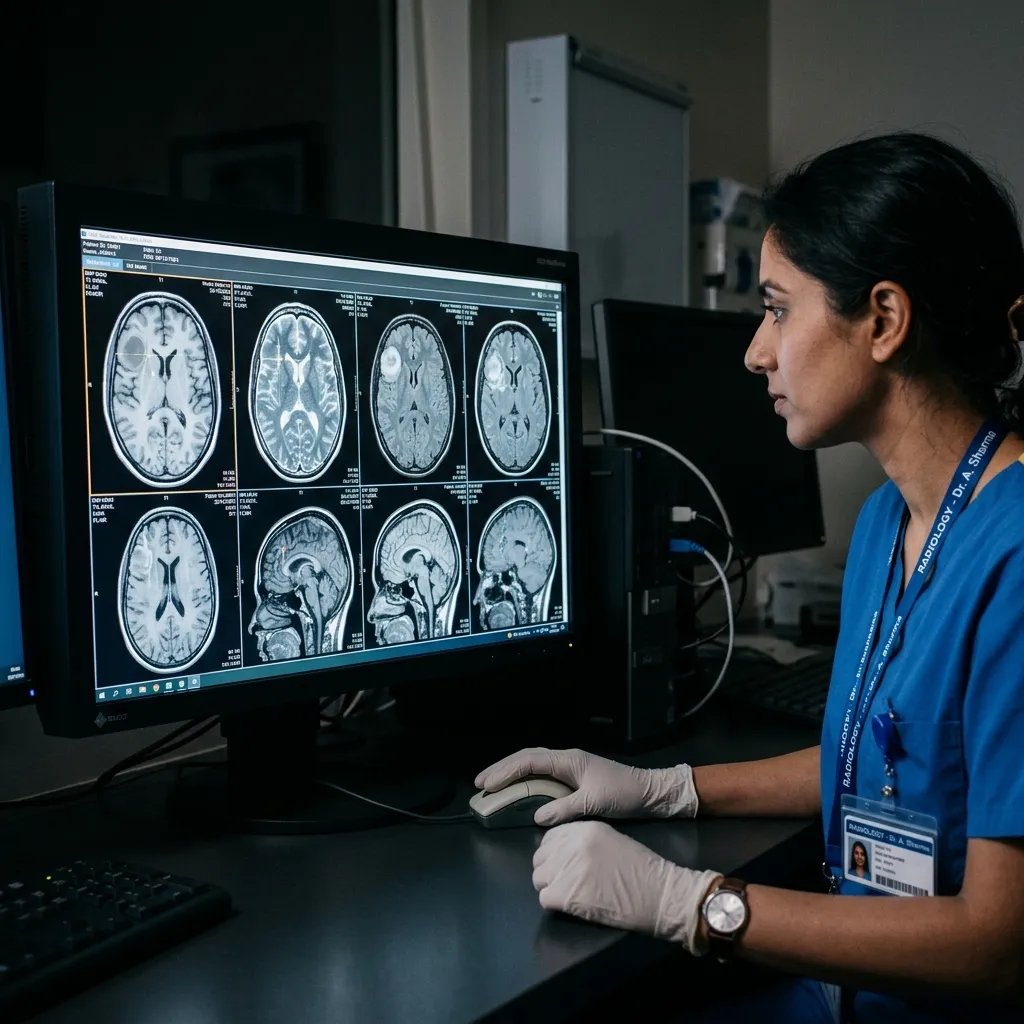
Stroke is a medical emergency where every minute matters. Dr. Annapureddy Jagadish provides rapid, protocol-driven stroke care aimed at minimising brain damage and maximising recovery outcomes.
Stroke Treatments Offered:
- Clot Buster Therapy (tPA / Thrombolysis): Timely intravenous administration of tissue plasminogen activator to dissolve clots in acute ischemic strokes.
- Mechanical Thrombectomy: A minimally invasive endovascular procedure to physically remove large blood clots blocking major brain arteries, restoring blood flow rapidly.
- Stroke Unit Management: Intensive monitoring and medical stabilisation during the acute phase of stroke.
- Secondary Stroke Prevention: Antiplatelet therapy, anticoagulation, and risk-factor management to prevent recurrent strokes.
- Stroke Rehabilitation Coordination: Coordinating physiotherapy, speech therapy, and occupational therapy for optimal recovery.
Mechanical Thrombectomy — Advanced Clot Removal
Mechanical thrombectomy is a revolutionary, life-saving procedure for large vessel occlusion (LVO) strokes — one of the most severe and disabling forms of stroke. Dr. Annapureddy Jagadish is specially trained in neurovascular interventions (FNB fellowship) and performs this procedure to dramatically improve outcomes in eligible patients.
What is Mechanical Thrombectomy? It is a minimally invasive endovascular procedure where a catheter is guided through the blood vessels (typically from the groin) to reach the blocked artery in the brain. A specialised stent-retriever device or aspiration catheter is then used to physically grab and remove the clot, restoring blood flow within minutes.
How It Works:
- A thin, flexible catheter is inserted through the femoral artery in the groin under local anaesthesia.
- Guided by real-time X-ray imaging (fluoroscopy), the catheter is navigated to the blocked brain artery.
- A stent-retriever is deployed to capture the clot, or a powerful aspiration device suctions it out directly.
- Once the clot is removed, blood flow is restored — often within 30–60 minutes of the procedure beginning.
Who is Eligible?
- Patients with acute ischemic stroke caused by a large vessel occlusion (LVO) in the brain.
- Typically performed within 6 hours of symptom onset, and in selected patients up to 24 hours with advanced imaging guidance.
- Patients who may or may not have received IV tPA (thrombolysis) beforehand.
- Eligibility is determined by CT/MRI brain imaging to assess the salvageable brain tissue (penumbra).
Why It Matters:
- Studies show mechanical thrombectomy can increase the chance of functional independence by 2–3 times compared to medical therapy alone for LVO strokes.
- It can prevent permanent paralysis, speech loss, or cognitive disability in patients who would otherwise face severe outcomes.
- Rapid treatment (within the “golden window”) is critical — the sooner the clot is removed, the more brain tissue is saved.
What to Expect:
- The procedure is performed under local anaesthesia with sedation in a catheterisation lab (cath lab).
- Most patients are monitored in an intensive stroke unit for 24–48 hours post-procedure.
- Recovery and rehabilitation begin immediately, tailored to each patient’s needs.
When to Seek Emergency Care (B.E. F.A.S.T.)
- B - Balance: Sudden loss of balance or coordination.
- E - Eyes: Sudden vision loss or double vision.
- F - Face: Drooping of one side of the face.
- A - Arm: Weakness or numbness in one arm.
- S - Speech: Slurred speech or difficulty repeating simple sentences.
- T - Time: Call emergency services immediately. Every minute saves brain cells!